Condensation on the inside of windows, on walls and behind furniture or pictures is a recurring winter issue. It is especially prevalent in poorly insulated accommodation. It occurs when the atmosphere inside is humid and the temperature of the surface drops below the dew point of the air. Frequent condensation can be a problem which leads to damp and mould.

So how do you prevent it? There are a number of strategies to prevent, or reduce condensation. Some or all of which may be appropriate depending on your situation
Increase the insulation
Increasing the insulation in the walls or replacing windows with double-glazed glass reduces condensation by helping the inside surface stay warmer when the outside temperature dips. If you are in a house, cavity wall insulation, or exterior cladding can help. In a temporary building or a self-built vehicle, putting in a false interior wall with insulating material (eg rockwool) between the layers can help. If you are in a caravan, there may not be much that you can do, beyond parking in a place where there is reduced airflow around the exterior.
If you are in a caravan or motorhome is worth periodically checking that all your seals are good, as this will prevent water ingress and reduce drafts.
Increase the ventilation
Increasing ventilation allows excess humidity to escape, making less condensation. It also reduces the interior temperature which will help reduce condensation but may not be desirable if you are already too cold. Its is always worth opening a window if you are cooking inside, as cooking increases humidity.
Increase the interior temperature
Warm air holds more moisture, so a warmer inside should mean less condensation. A warmer interior should also warm the inside surface of the walls, although this may take longer than you would think.
Clearly there is a trade off, but we have found in the winter keeping the heating on low all of the time helps reduce condensation and stops freezing pipes. Of course it also means we spend more on gas. Whilst gas is not cheap, signs of damp can significantly reduce your chances of selling a caravan. Fixing damp in caravans can be eye-wateringly expensive.
Decrease the humidity
The main things creating humidity inside is your own breathing, cooking and burning gas. There is not much you can do about your own humidity (other than not to be inside!). If you are able to cook elsewhere (outside, or in another location) it is worth cooking as little as possible inside during colder periods. If your oven or rings are gas, they will create humidity just by being on. Gas heating also produces humidity, although if the system is set up properly the flues are clean the majority of this should be vented outside.
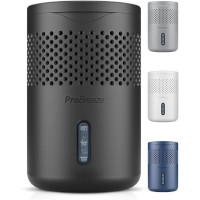
To decrease humidity, you can use a dehumidifier. Even a small dehumidifier can remove significant amounts of water from a caravan. The downside of this is, most of the good ones are mains powered. Small USB powered ones can be used in conjunction with a battery pack. You can get some no-power dehumidifiers (like the one above) which use replaceable tablets.
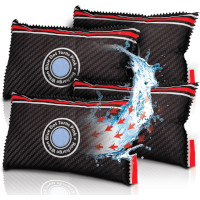
We use reusable dehumidifier bags. These take moisture from the air, and then can be microwaved to remove the water and start again. Best to microwave them elsewhere because otherwise you just release all the moisture back into the atmosphere when you open the microwave door.
Remove excess water
It can be hard to completely eliminate condensation, especially in a caravan. It is always better to keep an eye out for it, and wipe it down before it gets behind cushions or cloths and you find you have a black mould problem,
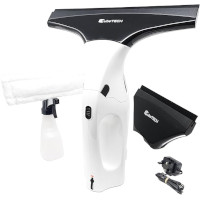
Cleaning the windows down with a cloth, and running a cloth behind problem areas every morning will get rid of a lot of standing water. When we were in the motorhome we used window cleaning vacuum, and it really helped